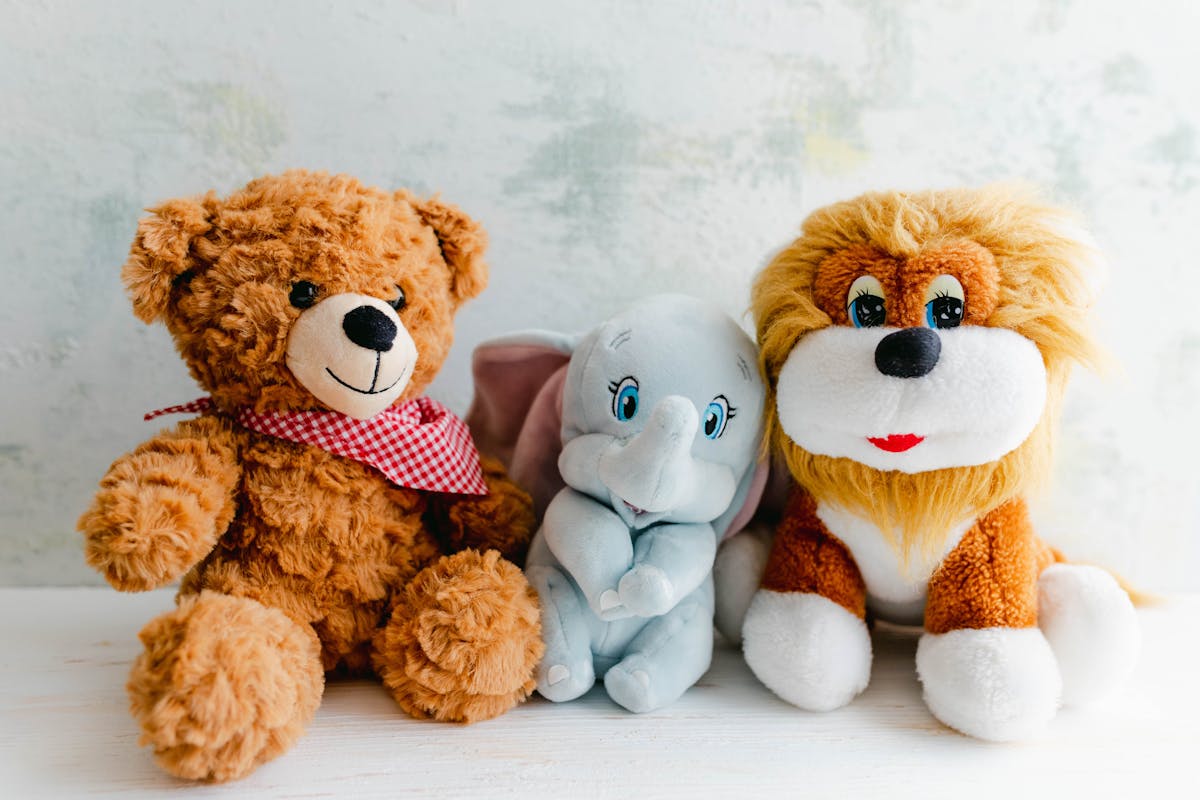
Photo: Pexels
Jellycat has been producing some of the world's most beloved plush toys since 1999, and with hundreds of designs in rotation at any given time, they retire characters regularly to make room for new collections. For collectors, a retired Jellycat isn't the end of the road — it's often the beginning of a treasure hunt.
Whether you're a dedicated Jellycat collector, a parent hunting down a child's beloved lost toy, or simply a fan of beautifully made plush animals, understanding which retired designs are most sought-after can help you shop smarter, sell wisely, and appreciate the unique world of Jellycat collecting.
Why Jellycats Get Retired
Jellycat typically retires designs for a few reasons: production costs, material sourcing changes, seasonal collections ending, or simply making space for new characters. Retirements happen quietly — there's rarely an announcement. One day a toy is on the shelf; the next restock cycle, it simply doesn't appear.
This unpredictability is part of what makes Jellycat collecting so exciting — and occasionally frustrating. Retailers often don't know a design is retired until their reorder is rejected. This is also why having a comprehensive retailer directory matters: sometimes a retired design is sitting on the shelf at a small independent boutique that ordered it months before the retirement.
What Makes a Retired Jellycat Valuable?
Not every retired Jellycat becomes a collector's item. Several factors determine whether a discontinued design holds or increases in value:
- Original retail price: Higher-priced items (large bashful bunnies, medium-sized character pieces) tend to hold value better than small keyring designs.
- Cultural moment: Designs that went viral on TikTok or Instagram during their production run often become highly sought-after once retired.
- Limited seasonal runs: Holiday-exclusive or seasonal designs produced in smaller quantities are almost always more valuable post-retirement.
- Condition: Mint-in-tag examples can sell for 2–4x the original retail price on secondary markets.
- Size variants: Some designs were only produced in one size. If that size is retired, the entire design disappears — making all examples valuable.
Photo: Pexels
Most Hunted Retired Jellycat Categories
The Bashful Bunny Variants
The Bashful Bunny is Jellycat's most iconic design, and specific colorways are retired regularly. Certain pastel colorways — particularly dusty rose, pale mint, and soft lilac — have become highly collectible once retired. Collectors often seek out the "first run" colorways that appeared in early 2010s collections. If you find one of these in original condition with the hang tag intact, consider yourself lucky.
Food Collection Characters
Jellycat's Amuseable food series — from croissants to avocados to everything bagels — became a sensation. Retired food characters from early in the series run are particularly prized. The original Amuseable Avocado, for example, is frequently sought on secondhand markets by collectors who missed it during its production window.
Limited Holiday Designs
Every year Jellycat produces exclusive holiday designs — Christmas, Halloween, Valentine's Day, and Easter collections. These typically run for one season only. Once sold out, they don't come back. Vintage holiday Jellycats from 5+ years ago in excellent condition are regularly traded at significant premiums online.
Collaborative and Regional Exclusives
Jellycat has produced exclusive designs for specific retailers — custom colorways or tagged editions for major department stores, FAO Schwarz, and specialty boutiques. These regional exclusives are among the rarest Jellycats in existence, as they were never available nationwide.
Where to Find Retired Jellycats
Finding retired Jellycats requires patience and a multi-channel approach:
- Independent toy stores and boutiques: Small shops often have older stock that hasn't moved. Use the JellyCat Finder search to locate independent retailers near you — they're more likely to have older inventory than large chains.
- Online resale platforms: eBay, Mercari, and Depop are the main secondary markets. Set up saved searches with alerts for specific designs.
- Facebook collector groups: The Jellycat collector community is active and friendly. Groups often have buy/sell/trade threads.
- Estate sales and thrift stores: Underrated sources. Many vintage Jellycats show up in perfect condition at a fraction of resale prices.
- Calling ahead to retailers: If you're hunting a specific recently-retired design, call independent retailers directly. Many have back stock they haven't listed online.
How to Store and Preserve Your Collection
Condition is everything in Jellycat collecting. A mint-condition retired design is worth significantly more than a loved, worn example. If you're collecting for value as well as enjoyment, consider these storage tips:
- Keep tags attached — a detached hang tag can reduce value by 30–50% for collector-grade pieces.
- Store away from direct sunlight, which fades colors over time.
- Use acid-free tissue paper in storage bins for long-term preservation.
- Avoid plastic bags, which can trap moisture and cause fabric deterioration.
Is Collecting Retired Jellycats "Worth It"?
That depends entirely on your motivation. If you're collecting purely for financial return, the market is unpredictable and illiquid — you may wait a long time for the right buyer at the right price. But if you're collecting because you genuinely love these toys, the financial upside is a pleasant bonus rather than the point.
Many collectors find that the joy of the hunt — tracking down a specific colorway, connecting with other enthusiasts, or reuniting a child with a beloved lost toy — is the real reward. And in that sense, every retired Jellycat is absolutely worth it.